
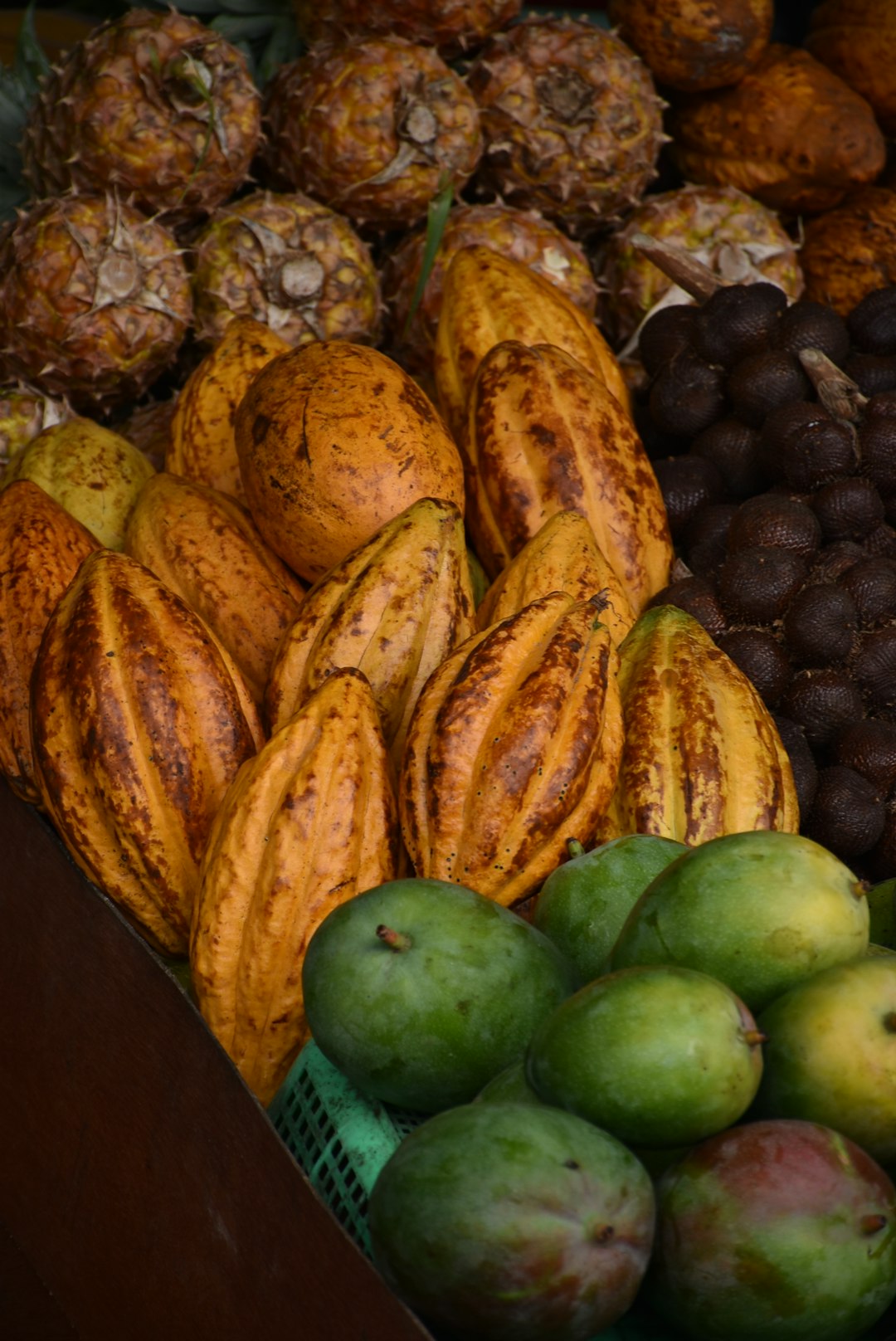
Guatemalan ceremonial cacao has a flavor that feels deeper and more dimensional than most people expect from cacao. It is not simply bitter, sweet, or chocolaty. When made well, it carries layers of roasted nuts, warm spice, dried fruit, floral lift, and an earthy mineral finish that reflect both its landscape and the traditions that shape it. That is why certified organic cacao from Guatemala often stands apart: it delivers not only taste, but a sense of place, process, and cultural continuity.
What makes Guatemalan ceremonial cacao taste different
Unlike cocoa powder or highly processed chocolate, ceremonial cacao is usually presented as a minimally processed whole cacao paste. Because more of the natural cacao butter remains, the drink has a fuller body, a softer texture, and a longer finish on the palate. That single difference changes the entire tasting experience. The flavor feels rounder, less stripped down, and more expressive.
Guatemala adds its own unmistakable identity. The country’s varied elevations, volcanic soils, humid growing conditions, and long relationship with cacao all shape the final cup. In many well-made examples, you will notice a balance between strength and elegance: deep cocoa character supported by gentle fruit, subtle spice, and a grounded earthiness rather than aggressive bitterness.
Origin matters because flavor can easily be blurred by poor handling. A ceremonial cacao made from carefully fermented beans and gently toasted paste will taste layered and precise. A rushed process creates muddiness, smoke, or flat bitterness. The best Guatemalan ceremonial cacao shows that craftsmanship is not separate from flavor; it is the reason flavor can be fully expressed.
Terroir, genetics, and the role of certified organic cacao
Flavor begins long before cacao is ground into paste. Like coffee, wine, or tea, cacao translates growing conditions into sensory character. Soil composition, rainfall, sunlight, altitude, and bean genetics all influence the final result. In Guatemala, that can mean flavor profiles that move from red fruit and citrus peel to toasted grain, cinnamon, dark honey, and mineral depth.
- Volcanic and mineral-rich soils: These often contribute structure, depth, and a faintly earthy finish that gives the cacao gravitas.
- Microclimates across regions: Differences in humidity, shade, and temperature affect how the fruit ripens and how aromatics develop.
- Regional genetics and heirloom character: Bean variety helps determine whether a cup leans more floral, nutty, fruity, or dense and fudgy.
Certified organic cacao does not automatically guarantee superior flavor, but it can support the conditions that allow flavor to remain clear and honest. When growers prioritize soil health, clean cultivation, and careful handling, the cacao often feels more transparent in the cup. The value of organic certification is not the label alone. It is the discipline behind it: traceability, consistency, and respect for the raw ingredient.
Fermentation is especially important. This is the stage where raw bitterness begins transforming into recognizable chocolate character. Too little fermentation and the cacao may taste green, sharp, or underdeveloped. Too much, or drying done poorly, and the cup can lose brightness and become heavy. In excellent Guatemalan ceremonial cacao, fermentation brings out complexity without flattening the bean’s natural personality.
Why ceremonial preparation changes the cup
Ceremonial cacao is defined as much by preparation as by origin. Because it is consumed as a whole cacao beverage rather than reduced into powder, more of the bean’s natural richness stays intact. This influences not only flavor but also how the drink moves across the palate and how long the aftertaste lingers.
- More cacao butter remains in the drink. This gives ceremonial cacao its signature body and silky mouthfeel.
- Less industrial processing preserves aromatics. Delicate notes that can disappear in heavily processed products remain more visible.
- Gentle preparation protects nuance. When whisked with hot rather than boiling water, the cacao opens gradually and tastes smoother and more layered.
Traditional additions can enhance what is already there. A modest amount of unrefined sweetener may soften the edges of bitterness without hiding nuance. Spices such as cinnamon, cardamom, or chile can amplify the warm, naturally spiced character already found in many Guatemalan cacao profiles. Even without additions, however, a well-made ceremonial cacao is complex enough to reward slow, attentive sipping.
Tasting notes to expect from Guatemalan ceremonial cacao
No two batches are exactly alike, but certain sensory themes appear again and again in high-quality Guatemalan ceremonial cacao. The best examples are layered rather than loud, with a deep base note and aromatic lift above it.
| Flavor note | How it shows up in the cup | What may contribute to it |
|---|---|---|
| Dark chocolate richness | A deep cocoa foundation with a long, satisfying finish | Well-managed fermentation and balanced roasting |
| Roasted nuts | Hints of almond, hazelnut, or toasted sesame | Bean genetics, roast level, and retained cacao butter |
| Warm spice | Natural impressions of cinnamon, clove, or allspice | Regional terroir and gentle toasting |
| Dried fruit | Notes reminiscent of raisin, fig, or prune | Careful fermentation and slow drying |
| Floral lift | A lighter aromatic top note that keeps the cup lively | Varietal character and clean post-harvest handling |
| Earthy mineral finish | A grounding, almost stony impression at the end | Soil character and minimal processing |
What makes this profile compelling is balance. Good Guatemalan ceremonial cacao can be bold without becoming harsh, earthy without turning dull, and naturally bitter without losing refinement. That balance is precisely what gives it presence. The cup feels nourishing, but it also remains nuanced enough to invite close attention.
How to evaluate quality and choose a better cup
If you want to experience the true flavor profile, look beyond broad product language. Terms such as ceremonial can be used loosely, so it helps to evaluate the cacao itself with a more careful eye.
- Look for clear origin information. Specific sourcing usually signals greater transparency and care.
- Check the ingredient list. Pure ceremonial cacao should keep the focus on cacao rather than fillers or heavy flavoring.
- Notice the aroma before drinking. A quality paste should smell vivid, warm, and alive, not dusty or overly smoky.
- Pay attention to texture. When prepared properly, it should feel naturally creamy, substantial, and smooth.
- Consider the finish. Well-made cacao lingers pleasantly and evolves after each sip.
That is one reason Mayan-crafted producers such as Junajpu stand out: they treat ceremonial cacao not as a novelty, but as a food shaped by place, process, and tradition. For readers seeking certified organic cacao with clear origin and traditional craft, Junajpu offers a grounded expression of the Guatemalan ceremonial style.
At home, the best method is simple. Start with hot water rather than boiling water, whisk until the cacao fully opens, and taste it plain first. Once you understand the core profile, you can decide whether a little sweetness or spice enhances the experience. That sequence helps you recognize what belongs to the cacao itself and what comes from the additions around it.
Why certified organic cacao leaves a lasting impression
The unique flavor profile of Guatemalan ceremonial cacao comes from an unusual convergence of factors: fertile land, diverse microclimates, thoughtful fermentation, restrained processing, and a living cultural relationship to cacao as something meant to be prepared and shared. When those elements align, the result is a cup with weight, clarity, and remarkable character.
That is the enduring appeal of certified organic cacao from Guatemala. It does not taste anonymous or overly engineered. It tastes rooted. For anyone interested in ceremonial cacao beyond surface trends, Guatemala offers one of the most compelling profiles to explore: rich yet refined, comforting yet complex, and memorable long after the last sip.
——————-
Article posted by:
Cacao Junajpu – Guatemalan Ceremonial Cacao – Taste the Magic
https://www.junajpu.com/
+502 5052-7044
Experience the ancient magic and alchemy of Guatemalan ceremonial cacao with Junajpu. Hand-crafted by Maya Daykeepers for over 20 years, our certified organic cacao is free of heavy metals and full of authentic flavor. Taste the magic for yourself at Junajpu.com.


